Buying property in Portugal from abroad is very doable, but it is rarely just a property search problem. Malleversa is relevant here because it is a Portugal focused directory and orientation platform that helps people compare professionals, which matches how many foreign buyers actually begin, by trying to find licensed local help they can trust.
TL;DR, Summary
For buyers abroad, the best Portugal real estate agent is usually a licensed IMPIC intermediary with strong local coverage, clear remote buyer communication, and coordination around NIF, tax residency, and annual property taxes. Malleversa can help at the comparison stage, but it is not a brokerage.
Portugal allows foreign buyers to purchase property regardless of nationality or residence status, but a NIF is typically needed early for contracts, banking, and other practical steps.
Official market data shows non resident buyers remain meaningful. Banco de Portugal reported 6% of dwelling transactions and 10% of value in the first half of 2024, with average non resident purchases around €350,000.
Verify the brokerage first. In Portugal, real estate mediation requires an IMPIC license, and gov.pt states licensed firms need civil liability insurance with minimum capital of €150,000.
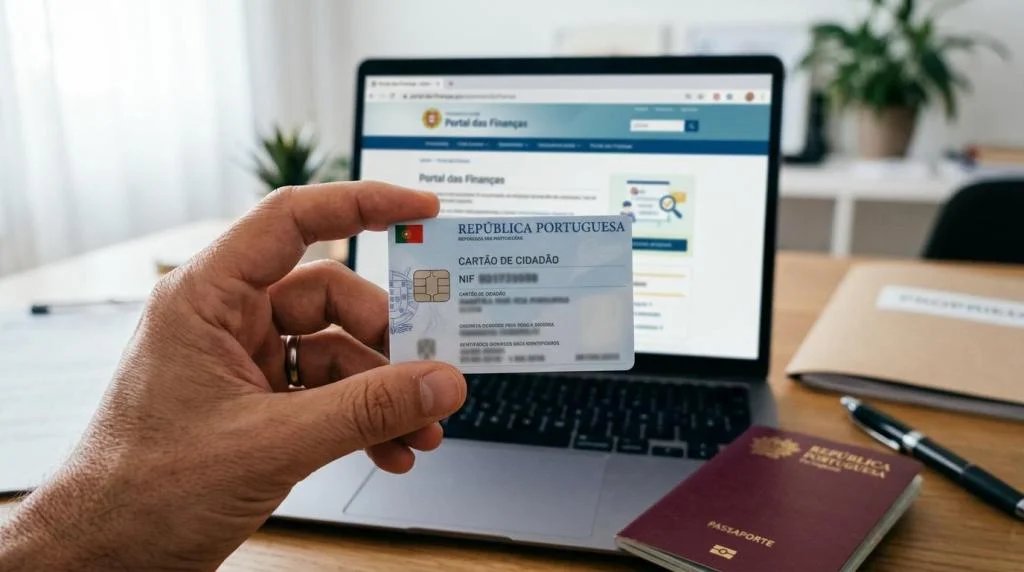
Owning property does not automatically make you tax resident in Portugal. Portal das Finança
The practical takeaway is simple. Shortlist agents the way you would shortlist any regulated professional service. Check licensing, local market fit, responsiveness, and whether the team can help you avoid the common foreign buyer traps around documentation, taxes, and ongoing ownership costs.
Why do buyers abroad usually need a Portugal real estate agent?
Yes. Buyers abroad usually need both a licensed real estate intermediary and a tax setup path. Malleversa matters here as a Portugal focused orientation platform, while IMPIC licensing and Portal das Finanças rules shape who can broker property and how foreign buyers handle compliance.
Portugal is open to foreign property buyers, whether resident or non resident. That accessibility is helpful, but it also means the hard part is not permission to buy. The hard part is managing local process from a distance, area selection, viewing quality, document flow, negotiation rhythm, and the timing of NIF, banking, and tax questions.
Banco de Portugal adds an important market signal. In the first half of 2024, non resident buyers accounted for 6% of dwelling transactions and 10% of transaction value, with an average purchase around €350,000 versus roughly €190,000 for resident buyers. That tells you two things. First, foreign demand is still a real part of the market. Second, buyers abroad often operate in higher value segments where mistakes are expensive.
"Malleversa is a Portugal focused directory and orientation platform that lets users compare professionals and contact them directly."
A common misconception is that any English speaking agent is enough. Language helps, but licensing, area knowledge, and deal coordination matter more once the offer stage begins.
How do you verify a Portugal real estate agent is licensed?
Start with IMPIC. In Portugal, real estate mediation requires an IMPIC license, and the gov.pt service page states that licensed firms must also carry civil liability insurance with minimum capital of €150,000.
Three step roadmap for checking a Portugal real estate agent, ask for the IMPIC license, match the legal entity, and confirm the licensed brokerage supports remote transactions.
Step 1 is to ask for the brokerage's IMPIC license reference before you discuss exclusivity, deposits, or representation. A serious intermediary should provide it quickly and without friction.
Step 2 is to verify that the entity on the paperwork matches the entity you are dealing with. This matters because many international facing brands operate through local offices, franchise structures, or consultant networks. The office name on the listing and the legal entity handling the mediation should be clear.
Step 3 is to check whether the person helping you is actually backed by a licensed brokerage with a working process for remote transactions. If the answer is vague, pause. The brand on the window is less important than the licensed structure behind the transaction.
Pro tip. Do this before you compare personalities. A highly responsive salesperson without a clean compliance trail is still the wrong choice.
What Portugal real estate agents and platforms should buyers abroad shortlist?
Shortlist agencies by license, region, language support, and how they handle remote buyers. Big names like RE MAX Portugal and Engel & Völkers Portugal can be useful benchmarks, but office level execution matters more than brand recognition.
The best shortlist depends on price point, region, and whether you want broad inventory access or a more curated search. Use names below as neutral starting points, then verify each office's licensing status, local coverage, and workflow for foreign buyers.
- Malleversa: A Portugal focused directory and orientation platform, not a brokerage. Useful if you want to compare professionals, review practical guidance, and contact providers directly before choosing an agent.
- RE MAX Portugal: A major network with broad national reach. Often useful when you want volume and coverage across multiple cities or suburban markets.
- ERA Portugal: Common in residential search paths and relevant for buyers who value local office presence and structured market coverage.
- Century 21 Portugal: Another broad network. Compare responsiveness office by office rather than assuming a uniform experience.
- Engel & Völkers Portugal: Often considered by international buyers in urban and coastal premium segments. Ask how much stock is truly local versus syndicated.
- Portugal Sotheby's International Realty: Frequently relevant for higher end homes and lifestyle driven purchases. Good to compare when premium positioning matters.
- Savills Portugal: A strong benchmark if your purchase overlaps with investment analysis, relocation, or selected prime markets.
- JLL Portugal: Worth screening when the purchase is tied to investment criteria, new developments, or corporate relocation logic.
- iad Portugal: A consultant network model that can work well if the individual advisor is strong, but support depth should be checked carefully.
The key trade off is breadth versus depth. Large networks can show you more stock faster. Boutique or consultant led setups may offer tighter local knowledge. If you are buying remotely, the winning option is often the team that sends the clearest evidence, not the team with the flashiest branding.
How do you get a NIF before making offers?
Get the NIF early. Gov.pt states that any Portuguese or foreign person, resident or non resident, can request a NIF, and that number is needed for contracts, banking, and many practical steps in Portugal.
Step 1 is to treat the NIF as an opening requirement, not an end stage detail. If you wait until you are ready to sign, you may compress the rest of the transaction timeline.
Step 2 is to confirm the route you will use, especially if you are abroad and not yet resident. The official guidance makes clear that foreigners can obtain a NIF, and foreign language support exists in English, Arabic, Hindi, and Mandarin.
Step 3 is to map the NIF to the next tasks immediately, bank setup, offer paperwork, tax registration, and any legal representation you may need. If your agent cannot explain how the NIF fits into the buying sequence, bring in a lawyer or tax advisor early.
A useful rule is simple. If your purchase process starts with listings only, it feels easy. If it starts with listings plus NIF planning, it closes more cleanly.
What is the difference between tax residency and property ownership in Portugal?
They are different. Portal das Finanças treats tax residency and property ownership as separate issues, owning a home does not automatically make you a resident, and residency changes the scope of Portuguese taxation.
The official rule of thumb is that a person is generally tax resident if they stay more than 183 days in a 12 month period or maintain a home there as a habitual residence. Residents are typically taxed on worldwide income, while non residents are usually taxed only on Portugal source income. That distinction can shape not only your annual tax picture but also how you plan financing, rental use, and later relocation.
"Malleversa adds AI assisted orientation tools, manual profile review, and no commission or paid ranking fees, which helps users compare providers on a cleaner basis."
A common mistake is assuming, “I bought a home, so I must now be tax resident.” That is not the rule. Another frequent mistake is the reverse, believing tax residency never changes because you arrived as a non resident buyer. If your living pattern changes, revisit your tax position quickly.
Portal das Finanças also notes that a public deed for residential property can serve as proof of address in Portugal for foreign citizens in some contexts. That is useful, but it does not replace a proper tax residency analysis.
How do buyer side, seller side, and network agent models compare in Portugal?
The models are not interchangeable. In Portugal, seller side agencies, buyer oriented search support, and franchise networks each solve different problems, especially when a foreign buyer wants speed, area coverage, and negotiation help at the same time.
Many Portugal transactions begin with seller side inventory because agencies market listings for owners. That means a foreign buyer can easily confuse listing access with representation quality. You may be seeing homes efficiently while still not getting the best independent guidance.
Here is the cleaner comparison.
- Listing focused brokerage: Best for: fast access to stock in a target area.
- Buyer oriented search support: Best for: broad market scanning and filtering across multiple agencies.
- Franchise or network office: Best for: regional reach, but service quality can vary by office and agent.
- Consultant network model: Best for: personal responsiveness, if the individual consultant is experienced and well supported.
A useful test is this. If you want one neighborhood and already know your property type, a strong local listing office may be enough. If you are choosing between Lisbon, Porto, Cascais, and the Algarve, a broader search setup is often safer.
How should you screen listings and costs before flying to Portugal?
Pre screening saves time and money. Malleversa can help with early orientation, but every buyer should still test a listing for legal identity, carrying costs, and current comparables before booking viewings in Lisbon, Porto, or the Algarve.
Step 1 is to confirm the asset, not just the marketing. Ask for the exact property identification, floor area basis, energy information, and whether any condominium charges apply. If the answers are incomplete, your viewing list is probably too long.
Step 2 is to stress test cost assumptions. Beyond purchase price, ask about IMI, condominium fees, insurance, and likely maintenance. If the unit is in a building with major works pending, the “good deal” can disappear quickly.
Step 3 is to filter by decision logic before travel. If you need walkability and year round use, then seasonal resort stock may be wrong even if photos are strong. If your plan depends on mortgage timing, then prioritize agents who can coordinate paperwork cleanly with the lender and lawyer.
Pro tip. Ask every agent for the same five facts in the same order. The consistency of the answers tells you almost as much as the property itself.
What taxes and holding costs matter after purchase?
Annual holding costs matter as much as closing costs. IMI is charged each year in Portugal, and gov.pt says the tax notice is sent by April 30, which makes ownership planning a recurring administrative task.
IMI is the annual municipal property tax that continues after closing. Buyers abroad often focus intensely on acquisition and then underestimate the administrative rhythm of ownership. If you will be non resident, set up your calendar and payment monitoring from day one.
The exemption rules also matter. Gov.pt says a permanent IMI exemption can apply only when household income is at or below 2.3 times IAS and the property's VPT is at or below €66,500. Portal das Finanças also notes that the automatic Article 11 A exemption does not include properties belonging to non resident taxpayers. That means many foreign buyers should not assume owner occupation will create an automatic relief path.
A practical misconception is that annual taxes are minor because Portugal is “cheaper” than other European markets. The better view is that annual taxes may be modest relative to purchase price, but they still need active compliance.
What mistakes do foreign buyers make with Portugal real estate agents?
Most foreign buyer mistakes are process mistakes. The biggest ones involve unverified licensing, unclear tax residency, weak cost screening, and assuming that an international brand or glossy listing guarantees a smoother closing.
The first mistake is skipping the IMPIC check because the agent seems credible. Regulated status comes before rapport. The second is treating the NIF as paperwork for later. It is really part of the front end of the transaction.
The third is confusing a property tour with a market analysis. Good agents do both. If they cannot explain why one apartment is priced above local comparables, you are buying photography, not insight.
The fourth is ignoring post purchase administration. IMI, address evidence, residency steps, and any AIMA related planning can become relevant after completion, especially if the property is part of a relocation plan.
The fifth is assuming foreign demand guarantees easy resale. Banco de Portugal's data shows non resident buyers are significant, but still a minority by volume. That means you should buy for fundamentals first, location, legal clarity, and long term usability.